Modern Aesthetic Devices: Types, Applications, and Key Technologies
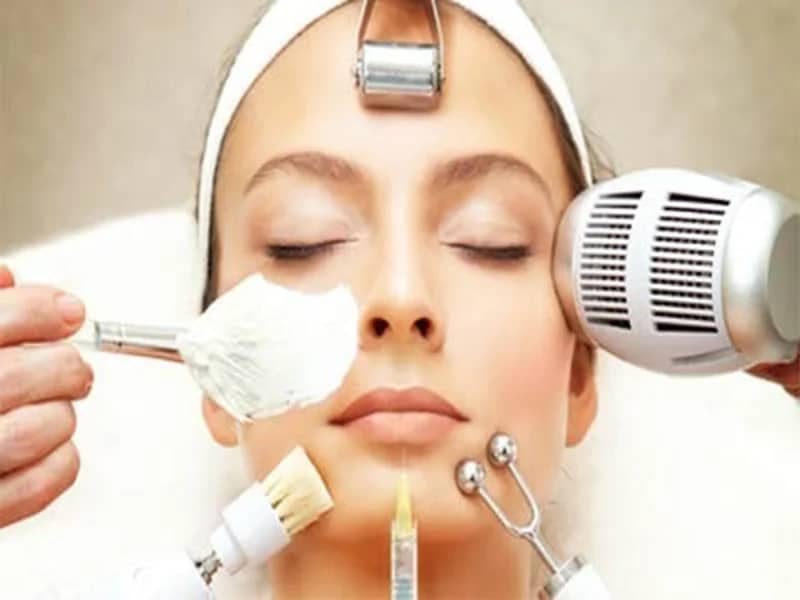
The aesthetic and skincare industry has experienced significant technological development in recent years. Modern aesthetic devices have become an essential part of dermatology clinics, beauty centers, and professional skincare facilities.
Aesthetic devices vary according to their technology and intended application. They include laser hair removal systems, advanced skincare and cleansing devices, skin tightening technologies, body contouring systems, peeling devices, and other specialized aesthetic technologies.
Choosing the right device depends on the intended procedure, skin type, treatment area, device specifications, user expertise, and compliance with the manufacturer's instructions and appropriate professional protocols.
In this article, we explore the most important types of modern aesthetic devices and their common applications.
What Are Aesthetic Devices?
Aesthetic devices are specialized technologies used in dermatology clinics, beauty centers, and professional skincare facilities to perform non-surgical or minimally invasive aesthetic procedures for the skin and body.
These devices may use different technologies, including:
- Laser technology.
- Intense Pulsed Light (IPL).
- Ultrasound.
- Radio Frequency (RF).
- Cryotherapy and controlled cooling technologies.
- Plasma technology.
- Electrical technologies.
- Mechanical exfoliation.
- Vacuum and compression technologies.
- Advanced facial cleansing and skincare systems.
Main Types of Modern Aesthetic Devices
1. Laser Hair Removal Devices
Laser hair removal systems are among the most widely used aesthetic technologies in dermatology clinics and beauty centers.
These devices deliver controlled optical energy to hair follicles with the aim of reducing hair growth over a series of treatments.
Common laser hair removal technologies include:
Diode Laser
Diode laser systems are widely used for professional hair reduction. Different systems are available with different wavelengths and configurations.
Some multi-wavelength systems may combine wavelengths such as:
- 755 nm.
- 808 nm.
- 1064 nm.
Treatment parameters should be selected according to factors such as skin type, hair characteristics, treatment area, and the specific device being used.
Alexandrite Laser
Alexandrite laser systems commonly operate at a wavelength of 755 nm and are widely used for hair reduction applications depending on the patient's skin and hair characteristics and the treatment protocol.
Nd:YAG Laser
Nd:YAG laser systems commonly operate at a wavelength of 1064 nm and have characteristics that make them suitable for specific applications and different skin types when used with appropriate parameters and professional protocols.
2. IPL – Intense Pulsed Light Devices
IPL technology uses intense pulses of broad-spectrum light across multiple wavelengths.
Depending on the device and its configuration, IPL may be used for various aesthetic applications, including:
- Hair reduction.
- Improving the appearance of certain pigmentation.
- Addressing certain forms of vascular redness.
- Improving overall skin appearance in selected applications.
Results can vary depending on the device, treatment parameters, skin type, and condition being treated.
3. Advanced Facial Cleansing and Skincare Devices
There is a wide range of devices designed for professional facial cleansing and skincare, including Hydrofacial systems and multi-functional facial treatment platforms.
Depending on the model, these systems may combine several functions, such as:
- Facial cleansing.
- Exfoliation.
- Vacuum-based extraction.
- Hydration.
- Application or infusion of suitable skincare solutions according to the system used.
The available functions vary from one model to another, so the technical specifications of each device should be reviewed before use.
4. Diamond Microdermabrasion Devices
Diamond Microdermabrasion systems use a diamond-coated treatment tip to mechanically exfoliate the superficial layer of dead skin cells.
This technology may be used as part of professional skincare programs to:
- Improve skin texture.
- Remove superficial dead skin cells.
- Improve the appearance of the skin.
- Support pore cleansing.
The intensity and treatment method should be selected according to the individual's skin type and the intended application.
5. Microneedling Devices
Microneedling devices use very fine needles to create controlled microchannels in the skin, triggering a natural skin response.
Professional microneedling may be used to improve the appearance of:
- Acne scars.
- Uneven skin texture.
- Enlarged pores.
- Fine lines.
- Certain types of skin irregularities.
Devices such as Dermapen systems are commonly used in this category. Specifications, needle configurations, and adjustable depths vary between devices.
6. Radio Frequency – RF Devices
Radio Frequency (RF) technology uses radio-frequency energy to deliver controlled heating to targeted tissue.
Depending on the technology, RF devices may be used in aesthetic applications aimed at:
- Improving the appearance of skin laxity.
- Supporting skin tightening.
- Improving facial and body skin appearance.
- Supporting collagen-related skin remodeling.
RF systems are available for both facial and body applications, while some platforms combine RF with additional aesthetic technologies.
7. HIFU Devices
High-Intensity Focused Ultrasound (HIFU) uses focused ultrasound energy to deliver controlled energy to specific tissue depths.
Certain HIFU systems are used in aesthetic applications designed to improve the appearance of the skin and provide non-surgical skin tightening.
Treatment depth, energy levels, and applications vary depending on the device and treatment area.
Proper professional training and a thorough understanding of the device specifications are essential for safe and appropriate use.
8. Plasma Aesthetic Devices
There are several types of plasma-based aesthetic devices, and their mechanisms and applications vary significantly from one system to another.
Some plasma devices are used in specialized skincare applications aimed at improving the appearance of certain skin concerns.
Different plasma technologies should not be considered interchangeable, as their applications, operating principles, and safety requirements can vary considerably.
9. Carbon Laser Peel
The Carbon Laser Peel, sometimes known as a carbon facial, combines a suitable carbon-based preparation with laser technology according to the system being used.
It may be used in professional skincare programs to:
- Cleanse the skin.
- Improve the appearance of pores.
- Reduce surface oiliness.
- Improve overall skin appearance and radiance.
The procedure should be performed using an appropriate device and parameters selected according to the patient's skin type and condition.
10. Q-Switched Laser Devices
Q-Switched Laser systems use short, high-energy laser pulses for selected dermatological and aesthetic applications.
Depending on the wavelength and configuration, applications may include:
- Treatment of certain pigmentation concerns.
- Selected tattoo-removal applications.
- Carbon laser peel when the device is specifically designed for this application.
Results and applications depend on factors such as wavelength, energy, spot size, pulse characteristics, and the condition being treated.
11. Skin Brightening and Pigmentation Treatment Devices
Various technologies are used as part of professional programs designed to improve the appearance of pigmentation and uneven skin tone.
These technologies may include:
- Laser systems.
- IPL.
- Light-based technologies.
- Professional peeling systems.
- Combination treatment platforms.
The cause and type of pigmentation should be assessed before selecting an appropriate technology, as different pigmentation conditions may respond differently to treatment.
12. Body Contouring and Body Shaping Devices
The body contouring sector has developed significantly, with various technologies designed to improve the appearance of specific body areas without traditional surgery.
Common categories include:
Cryolipolysis Devices
Some Cryolipolysis systems use controlled cooling to target fat cells in specific areas.
This technology is intended for localized body contouring and is not a treatment for overall weight loss.
Cavitation Devices
Cavitation systems use ultrasound technology and are used in some aesthetic body-contouring programs targeting localized areas.
RF Body Contouring Devices
Certain RF systems can be used in professional body-care programs designed to improve the appearance of skin firmness and contour in selected areas.
13. Massage and Compression Devices
Aesthetic and body-care equipment also includes systems that use controlled air pressure or mechanical massage technologies.
Depending on the device, these systems may be incorporated into body-care programs to enhance comfort and support peripheral circulation.
It is important to distinguish between aesthetic equipment and medical therapeutic devices and to use each device strictly within its intended application and manufacturer's specifications.
14. Mesotherapy and Supporting Treatment Devices
Various devices and technologies are used in professional dermatology and aesthetic settings to support certain skincare procedures, including technologies associated with mesotherapy.
Only appropriate and authorized products should be used, and procedures involving injections or medical substances should be performed by qualified professionals in accordance with applicable medical and regulatory requirements.
15. Skin Analysis Devices
Digital Skin Analysis Systems have become valuable tools in professional skincare centers.
Depending on the system, these devices may use specialized cameras, lighting, and digital analysis to visualize and assess certain skin characteristics, including:
- Pigmentation.
- Pore appearance.
- Oil levels.
- Fine lines.
- Certain superficial skin changes.
Skin analysis can help professionals evaluate the skin and monitor changes over time. However, it does not replace medical diagnosis when a dermatological condition requires evaluation by a qualified healthcare professional.
How to Choose the Right Aesthetic Device
Choosing an aesthetic device should not be based solely on its price or the number of functions it offers. Several factors should be carefully evaluated before purchasing.
Technology
Understand the technology used by the device and the specific applications it was designed for.
Technical Specifications
Important specifications vary depending on the type of equipment and may include:
- Energy output.
- Wavelengths.
- Frequency.
- Spot size.
- Cooling systems.
- Number of handpieces.
- Control systems.
- Available treatment programs.
Build Quality
Professional aesthetic equipment should be selected from reliable manufacturers with appropriate build quality, technical documentation, and clearly defined specifications.
Training
Professional training is an essential factor when operating aesthetic devices, particularly systems that use lasers, optical energy, radio frequency, or focused ultrasound.
Maintenance and Technical Support
Before purchasing, it is important to verify the availability of maintenance services, spare parts, and technical support.
Reliable after-sales service can play a major role in maintaining equipment performance and reducing operational downtime.
Warranty
A clear warranty and reliable after-sales service provide additional protection for the investment and help address technical problems when they occur.
The Importance of Training When Using Aesthetic Devices
Modern aesthetic equipment requires trained operators who understand the device's operation, parameters, applications, and safety precautions.
Professional training should cover:
- Device operation.
- Appropriate parameter selection.
- Contraindications and safety considerations.
- Safety procedures.
- Proper use of cooling systems when available.
- Cleaning and disinfection of reusable components.
- Alarm and error management.
- Basic equipment care after use.
The effectiveness of an aesthetic device should not be judged by its power or number of functions alone. Results depend on selecting the appropriate technology, using suitable parameters, choosing appropriate cases, and having a properly trained operator.
The Future of Aesthetic Technology
The aesthetic equipment industry continues to move toward more precise, comfortable, and digitally integrated technologies.
Emerging developments include:
- Advanced digital control systems.
- Artificial intelligence-assisted skin analysis.
- Improved cooling technologies.
- More precise energy delivery.
- Multi-technology treatment platforms.
- Advanced treatment monitoring systems.
Manufacturers are increasingly developing platforms that combine multiple technologies in one system, providing professional centers with a wider range of treatment options.
Professional training, preventive maintenance, technical support, and after-sales service will continue to play an important role in ensuring safe and effective equipment operation.
Professional Aesthetic Center and Clinic Equipment
Thalgeh Medical Equipment & Aesthetics provides comprehensive equipment solutions for dermatology clinics, beauty centers, and professional skincare facilities.
Our range includes laser hair removal systems, skincare and facial treatment devices, body contouring equipment, skin analysis systems, and other modern aesthetic technologies.
We also provide professional training, warranty, maintenance, technical support, and after-sales services, helping clinics and beauty centers select and operate equipment according to their specific needs.
Conclusion
Modern aesthetic devices have become an essential part of professional dermatology and beauty centers. Their technologies range from laser, IPL, RF, HIFU, ultrasound, exfoliation, microneedling, plasma, and advanced body-contouring systems to modern facial skincare and skin analysis technologies.
There is no single device that is suitable for every application. The right equipment should be selected based on its technology, technical specifications, intended use, target conditions, training requirements, warranty, maintenance, and technical support.
Investing in professional aesthetic equipment is not simply about purchasing a device. It is about choosing the right technology, receiving proper training, and having reliable technical and after-sales support to maximize the value and safe use of the equipment.